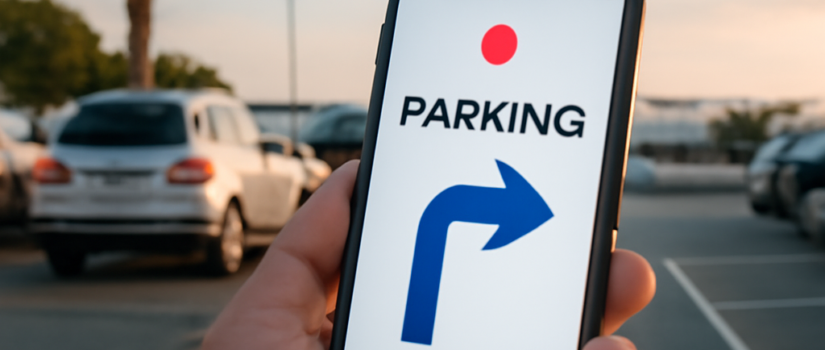
About 76% of people who search for something nearby on a smartphone visit a related business within a day, and roughly 28% of those searches end in a purchase, according to long-running Google research. The gap between pulling out a phone and walking through a store’s front door is often less than an hour, and during that window a buying decision, a location choice, and a competitor loss or win all happen at once. For brick-and-mortar businesses, understanding what happens inside that short window has become one of the most valuable exercises in local marketing.
The Intent Behind a Quick Phone Search
Mobile local searches carry a different weight than desktop queries. Someone sitting at a laptop comparing options has time. Someone tapping “tire shop open now” into a phone usually doesn’t. They’re already in motion, standing in a parking lot, sitting in a car, or walking down a sidewalk with a problem that needs solving before dinner.
This is high-intent search behavior. The person isn’t researching and isn’t bookmarking for later. They’re trying to figure out which business deserves their drive, their gas, and their next thirty minutes. That intent compresses the entire customer journey into a single decision moment.
Signals That Push a Search Toward a Purchase
Studies of mobile shopper behavior consistently point to a few signals that influence whether a search becomes a same-day visit. Distance matters, but it’s not the only factor. Reviews carry surprising weight at the snap-judgment level. Photos influence trust. Hours of operation, especially the words “open now,” can quietly tip the scale between two otherwise equal businesses.
Pricing transparency plays a role too. Shoppers running quick searches favor a business whose listing or website gives them a sense of what to expect. Ambiguity creates friction, and friction kills momentum during a same-day decision.
Why Same-Day Conversions Are Different
A same-day visitor isn’t shopping the way an online customer shops. They’re not adding items to a cart over three days and aren’t comparing across tabs. They’re making a fast judgment call based on whatever shows up in the top few results of their phone screen.
That changes the playing field. Visibility within the first scroll matters more than anywhere else in digital marketing. Businesses that show up in the local map results, with strong reviews and clean information, win these visits at a much higher rate than businesses buried below the fold. The phone screen is small, the patience is shorter, and the decision arrives within seconds.
There’s also a proximity bias built into how phones interpret these searches. A user looking up “best coffee” while standing on a sidewalk sees results filtered through their current GPS coordinates. The phone has already made some choices on the user’s behalf before any human comparison begins.
How Businesses Can Capture Same-Day Traffic
Capturing same-day mobile traffic comes down to removing every reason for a high-intent searcher to skip a business. Some of the highest-impact actions are also the most overlooked.
Listing Accuracy and Citation Consistency
Inconsistent business information across the web does quiet damage. When a phone number on one directory doesn’t match the one on another, or when an address shows two different suite numbers, search engines lose confidence in the data, which can push a business down the local results. When a customer calls a wrong number or pulls into the wrong parking lot, the visit is gone.
Maintaining consistent name, address, and phone information across hundreds of business directories is a baseline expectation. Search engines treat that consistency as a trust signal, and trust signals influence local rankings far more than most owners realize.
Speed and Mobile Experience
A slow-loading website is one of the fastest ways to lose a same-day shopper. Phones are unforgiving. If a website doesn’t render within a couple of seconds, the user is gone, often back to the results page and often into a competitor’s listing. Page speed has become a ranking factor, and it’s also a customer behavior factor. The faster a business loads, the more likely the visit becomes real.
Mobile usability matters just as much. Tap targets that are too small, forms that don’t fit the screen, or menus that hide essential information can derail a visit that was otherwise about to happen.
Reviews and Photos as Conversion Levers
Reviews are one of the most underestimated drivers of same-day decisions. Shoppers scanning quickly look at the star rating, the recency of recent reviews, and sometimes a single specific comment that confirms their gut. Businesses with steady streams of recent, authentic reviews outperform businesses with stale reputations, even when the older reviews are technically higher rated.
Photos play a similar role. A storefront photo, an interior shot, and a few images of products or services give a searcher confidence in what they’ll find when they arrive. Listings without photos feel risky, and risky listings rarely win the visit.
The Multi-Touch Reality of a Mobile Search
A single same-day visit often involves multiple searches. A shopper might search once on a phone for general options, then search again with a more specific query, then check directions, then read a review or two, then finally tap the call button or pull into the lot. Each of those touches is a chance to win or lose the customer.
Businesses that show up consistently across each of those touches have a much higher chance of converting. Showing up once isn’t enough. Showing up across the map results, the local pack, the review snippets, and the standard organic listings reinforces trust in a way that no single appearance can.
The Quiet Advantage of Preparation
Local businesses that treat mobile search as a slow-burn channel often miss what’s actually happening. The decision is fast, mobile, and made by someone whose next move could very well be opening the front door. Businesses that prepare for this reality, with accurate data, fast websites, and strong review profiles, end up converting traffic that competitors didn’t even know existed.
Same-day in-store buyers aren’t a niche audience anymore. They’re a meaningful slice of foot traffic in nearly every consumer category, from restaurants to home services to retail. The businesses that listen tend to grow quietly. The ones that don’t keep wondering why the parking lot across the street is busier than theirs.
FAQ
What percentage of mobile local searches lead to a same-day store visit?
About 76% of people who search for something nearby on a smartphone visit a related business within a day, and roughly 28% of those searches result in a purchase, according to long-running Google research cited in the post.
What signals push a mobile search toward a same-day purchase?
Distance, reviews, photos, clear hours of operation (especially “open now”), and pricing transparency all influence whether a high-intent searcher converts. Ambiguity in any of these areas creates friction that can kill momentum.
How can businesses capture more same-day mobile traffic?
The post points to consistent name, address, and phone listings across directories, fast-loading mobile-friendly websites, and a steady stream of recent reviews and business photos as the highest-impact moves.